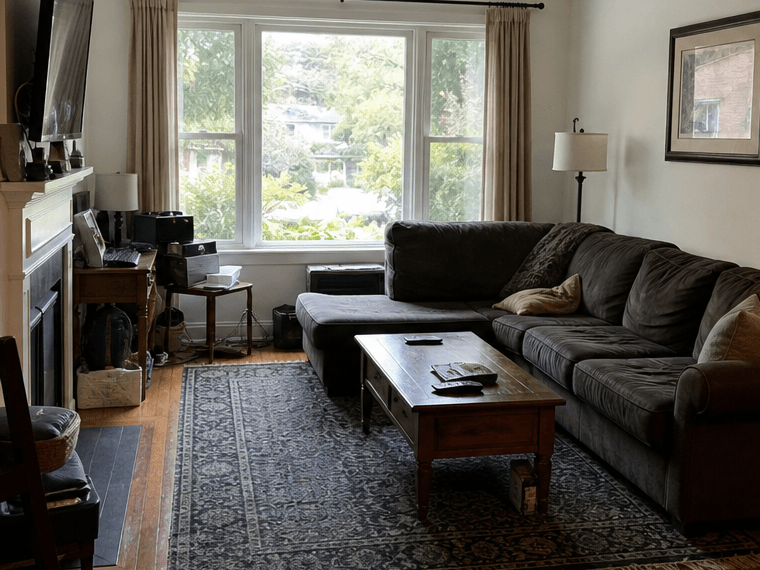
 Before
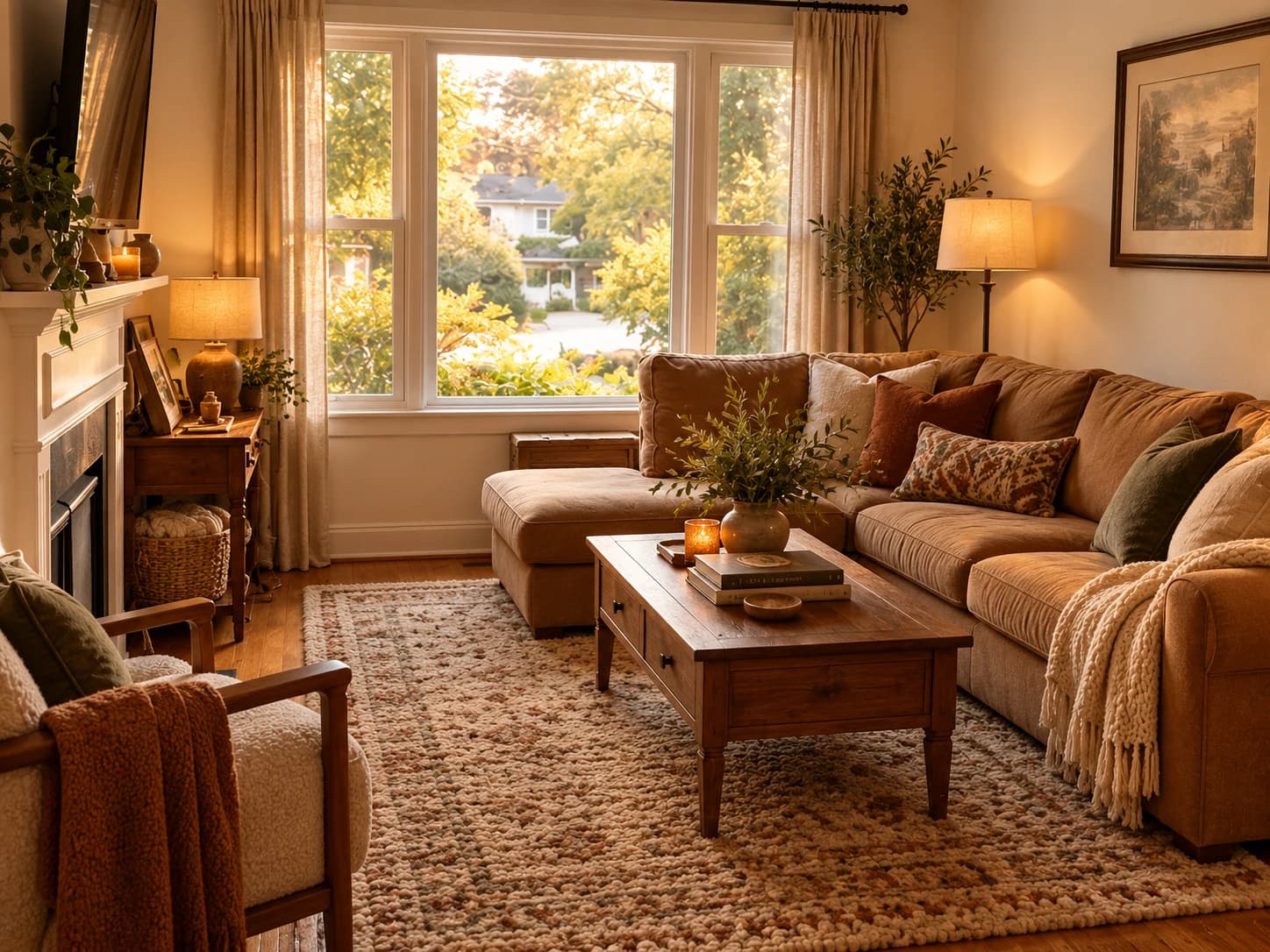 After
Style Guide
Cozy interior design is less about adding more decor and more about choosing the right warmth, texture, lighting, and furniture for the room you already have. Preview those choices in your own photo before buying a sofa, rug, paint, or lighting.
Built for homeowners and renters planning a comfortable room refresh, this cozy AI room design workflow gives you realistic before-and-after ideas from the room you already have.
BeforeAfterCheck whether warm colors and softer materials suit your existing room.
Preview layered lighting before buying lamps, fixtures, or window treatments.
Compare furniture scale and placement using a photo of your actual space.
Explore a comfortable, lived-in look without making the room feel cluttered.
Real Examples
BeforeAfter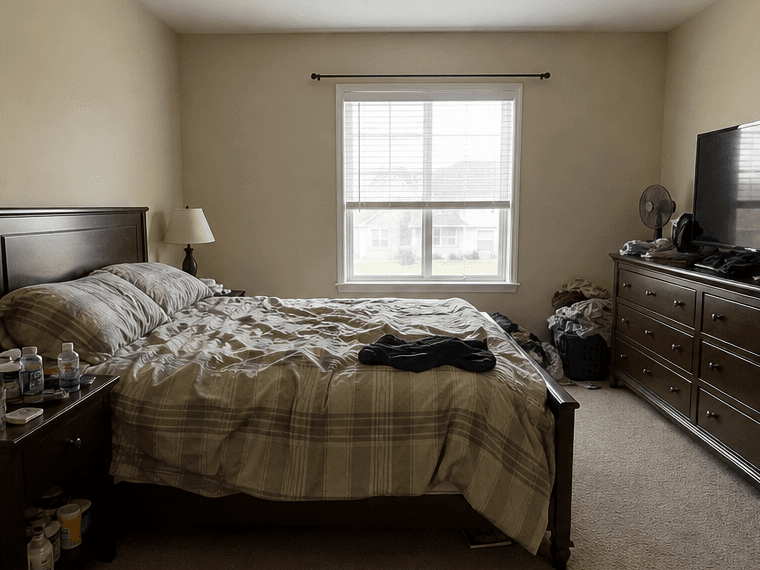 Before
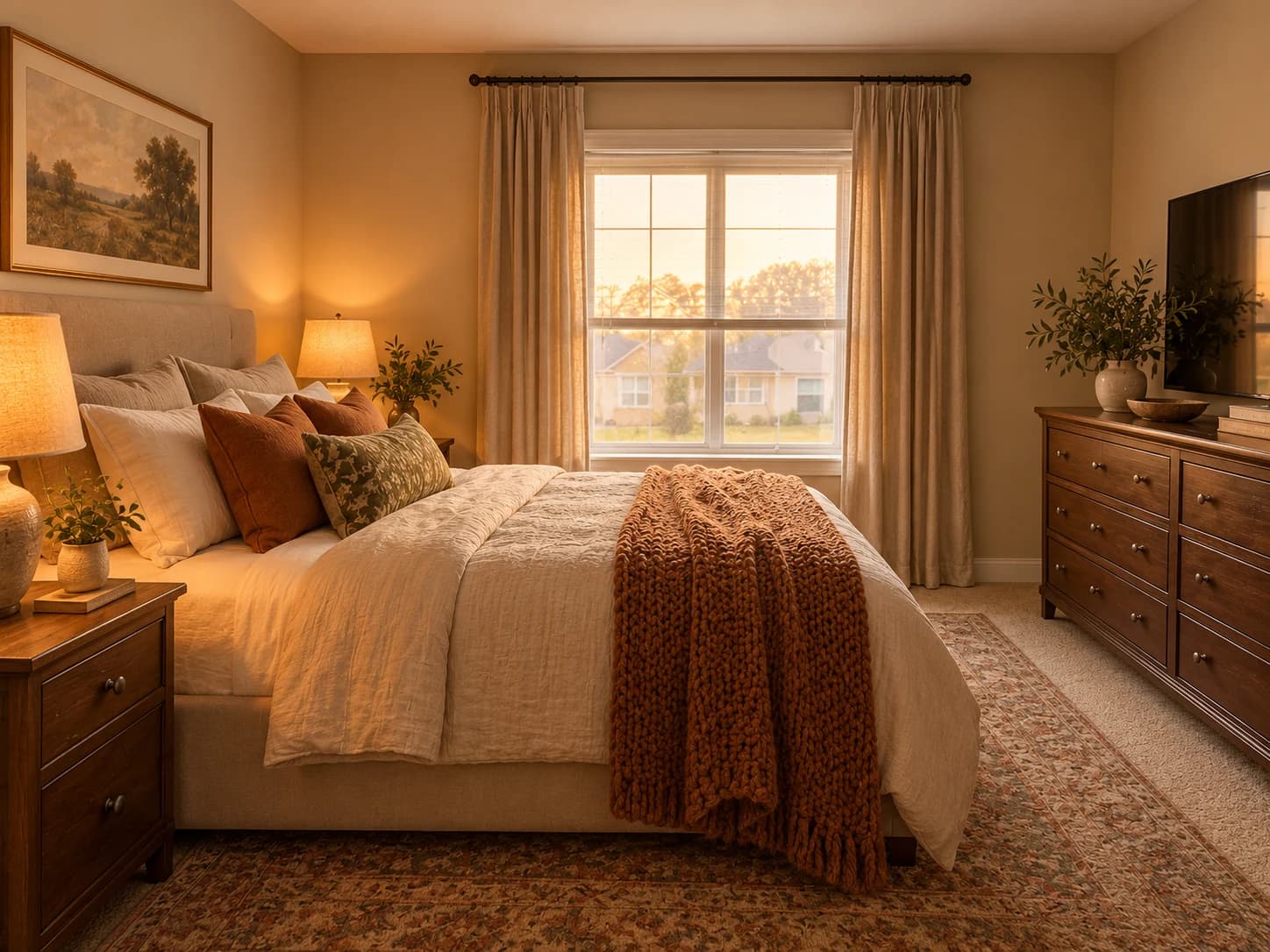 After
 Before
 After
Design Guide
A cozy room should feel comfortable, calm, and personal. The strongest designs build warmth in layers and still leave enough visual space for the room to function. Use these elements to shape your prompt and evaluate the result.
Cream, oatmeal, taupe, muted terracotta, warm gray, and soft brown reflect light more gently than stark white or cool blue-gray. You do not need to repaint every wall: a warmer rug, curtains, cushions, or one painted surface can shift the whole room.
Cozy rooms usually combine ambient, task, and accent lighting. A ceiling fixture provides general light, while table lamps, floor lamps, and wall lights create smaller pools of light around seating, reading, and display areas.
Wood, wool, linen, boucle, woven baskets, and soft upholstery add depth without requiring bold patterns. The goal is contrast you can feel: smooth beside nubby, structured beside soft, and matte beside a small amount of sheen.
Comfort comes from layout as much as appearance. Seating should feel connected, tables should be within easy reach, and walking paths should remain open. Oversized furniture can make a small room feel cramped even when every individual piece looks inviting.
Books, art, plants, photographs, and meaningful objects make a room feel inhabited. Grouping a few items creates a calmer result than spreading many small objects across every surface. A cozy room should look personal, not staged beyond recognition.
Workflow
Upload a bright, straight-on photo that shows the room and its main furniture.
Choose Cozy, then mention anything you want to keep, replace, or avoid.
Generate a realistic concept and inspect the lighting, colors, and furniture scale.
Use the result as a shopping reference or create another direction before you spend.
FAQ
Warm color, layered lighting, tactile materials, comfortable furniture, and a few personal objects usually create the strongest cozy effect. Good circulation and controlled clutter matter just as much as blankets and cushions.
Use appropriately scaled furniture, keep walking paths open, and concentrate texture in a rug, curtains, or upholstery instead of filling every surface. Warm light and a restrained palette can add comfort without visual crowding.
Cream, warm beige, taupe, muted terracotta, caramel, olive, and soft brown are reliable starting points. The best choice depends on your daylight, flooring, and furniture, which is why previewing the palette in your room is useful.
Mention the room's purpose, what must stay, your preferred colors, lighting, materials, storage needs, and any furniture you want to add. For example: keep the windows and sofa, add warm layered lighting, an oatmeal rug, natural oak, and uncluttered storage.
They overlap, but hygge typically emphasizes Scandinavian simplicity, everyday rituals, and soft natural materials. Cozy is broader and can be rustic, traditional, modern, or eclectic.
Use a clear, well-lit photo that shows as much of the room as possible. Straight-on photos usually produce the most useful redesigns.
Yes. Each generation creates a new concept, so you can explore different styles, room types, and furniture directions.